

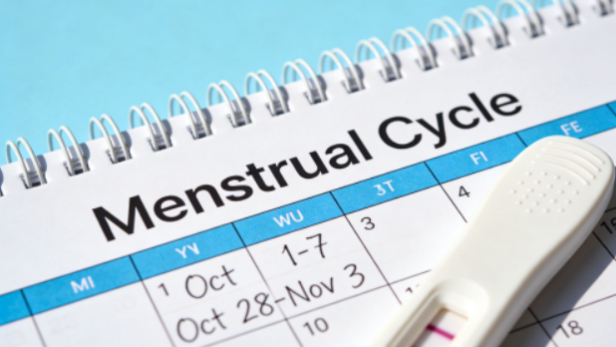
The menstrual cycle is one of the key indicators for assessing women’s reproductive health. A regular menstrual cycle typically means normal ovulation, balanced hormone levels, and favorable conditions for conception. Irregular menstrual cycles often reflect fluctuations in internal hormones or ovarian function, which can affect women’s fertility.
What Is an Irregular Menstrual Cycle?
A healthy menstrual cycle usually lasts between 21 and 35 days. If your cycle is often shorter than 21 days, longer than 35 days, or varies significantly from month to month (for example, 28 days last month and 40 days this month), it is considered irregular. The menstrual cycle is more than just the bleeding during periods; it reflects hormonal changes and ovulation status in the body. Ovulation is central to maintaining women’s fertility.
Common Causes
Various factors can cause irregular menstrual cycles. Common ones include hormonal imbalances, such as fluctuations in estrogen or progesterone levels. Polycystic ovary syndrome (PCOS) is another frequent cause, leading to abnormal ovarian function and affecting follicle development. Other factors include being underweight or overweight, excessive exercise, thyroid issues, or stress. Prolonged exposure to these conditions can lead to irregular ovulation or even anovulation, thereby reducing the chances of pregnancy.
Impact of Irregular Cycles on Conception
- Difficulty in Determining Ovulation Timing
Conception requires sperm to meet the egg. In a regular cycle, ovulation typically occurs about 14 days before the next period. If the cycle is irregular, ovulation timing becomes unpredictable. This can cause couples to miss the optimal conception window, objectively reducing the manifestation of women’s fertility.
- Possible Anovulatory Cycles
Not every menstrual period indicates ovulation. If cycles are very long (over 35 days or even months apart), it likely means the body is not releasing eggs regularly. Without egg release, natural conception cannot occur.
- Luteal Phase Defect
A short luteal phase sometimes accompanies irregular cycles. The corpus luteum secretes progesterone to thicken the uterine lining, preparing for embryo implantation. If progesterone levels are insufficient, even if the egg is fertilized, implantation may fail due to a poor endometrial environment.
How to Improve and Support
Track Cycle Data: Use a phone app or notebook to record the start and end dates of each period. Tracking for more than 3 months can help you identify patterns.
Monitor Basal Body Temperature or Use Ovulation Test Strips: These tools can help you observe more directly whether your body is ovulating.
Balanced Nutrient Intake: Consuming adequate folic acid, zinc, vitamin D, and other nutrients helps support the normal functioning of the reproductive system.
Irregular menstrual cycles are a signal from the body, reminding you to pay attention to your reproductive health. While cycle fluctuations can increase the difficulty of conception, most women can effectively improve their chances of pregnancy through scientific tracking, reasonable nutritional supplements, and necessary lifestyle adjustments.