

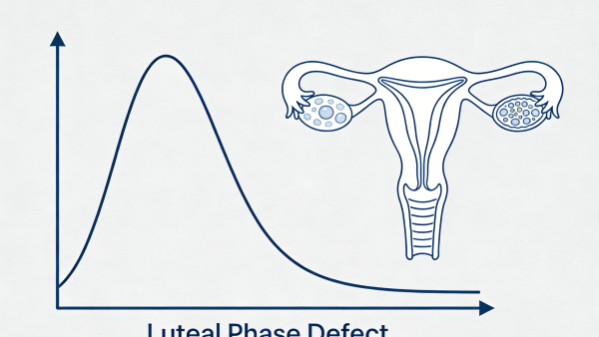
For couples trying to conceive, it’s essential to understand what happens in a woman’s body after ovulation. In the second half of the menstrual cycle—the luteal phase—progesterone levels play a decisive role in whether a fertilized egg can successfully implant and whether an early embryo can remain stable. When luteal phase defect occurs, it can significantly affect female fertility and make conception more challenging.
What Is the Luteal Phase?
The luteal phase is the time between ovulation and the start of your next period. On average, it lasts about two weeks. It begins once the ovary releases a mature egg and continues until menstruation arrives. After the egg is released, the empty follicle transforms into a temporary hormone-producing structure called the corpus luteum. Its main job is to produce progesterone. This hormone thickens the uterine lining (endometrium), making it soft, healthy, and ready for an embryo to implant. Luteal phase defect happens when the body doesn’t produce enough progesterone or when the endometrium doesn’t respond properly to it. As a result, the uterine lining may not develop fully, may show delayed secretory changes, or may fail to provide adequate support. This directly impacts implantation of a fertilized egg and early embryo development.
Signs and Symptoms to Watch For
Many women with luteal phase defect experience one or more of the following: Short menstrual cycles (typically fewer than 24–26 days)
Spotting or light bleeding before the full period starts
Difficulty conceiving even when ovulation is regular
Early pregnancy loss or recurrent miscarriages in the first trimester
What Causes Luteal Phase Defect?
Several factors can contribute to luteal phase defect, including:
Hormonal imbalances involving FSH or LH, often seen in conditions like PCOS or endometriosis
Thyroid disorders and abnormal prolactin levels, which can disrupt the cycle
Lifestyle factors such as excessive exercise, anorexia, or obesity, all of which can interfere with hormone production
Three Major Ways Luteal Phase Defect Affects Female Fertility
Implantation Failure — Even if fertilization occurs, a fertilized egg may not be able to attach to the uterine wall if the endometrium doesn’t develop properly due to insufficient progesterone. This often results in failed conception attempts.
Increased Risk of Early Miscarriage — Progesterone is critical for maintaining pregnancy in the early weeks. Luteal phase defect can lead to more frequent uterine contractions, an unstable lining, and higher chances of very early biochemical pregnancies or miscarriages.
Shortened Luteal Phase Length — A normal luteal phase typically lasts 12–14 days. When it’s shorter than 10 days, the endometrium may begin to shed before the embryo has even reached the uterine cavity.
How to Address Luteal Phase Defect
Research has shown that the Mediterranean diet can positively influence female fertility, particularly during the luteal phase. This eating pattern emphasizes higher fiber intake and fewer pro-inflammatory foods, helping regulate the body’s systems. Specifically, increasing iron and plant-based protein intake has been linked to improvements in luteal phase function.
Dietary selenium is also associated with better luteal phase outcomes. Good sources include Brazil nuts, fish, and lean meats.
If you notice a consistently short luteal phase, consider adopting a Mediterranean-style diet rich in iron, plant proteins, and selenium. In addition to supporting luteal health, this approach benefits cardiovascular health and weight management.
Recognizing luteal phase defect is a key step in science-based preconception planning. If you have a short luteal phase or premenstrual spotting, consult a doctor promptly for evaluation. Daily adjustments can start with diet—increase fiber, iron, plant proteins, and selenium through foods like legumes, shellfish, and nuts, while cutting back on pro-inflammatory items. Combined with regular sleep and stress management, these changes can help improve luteal function and create a more favorable environment for conception.