

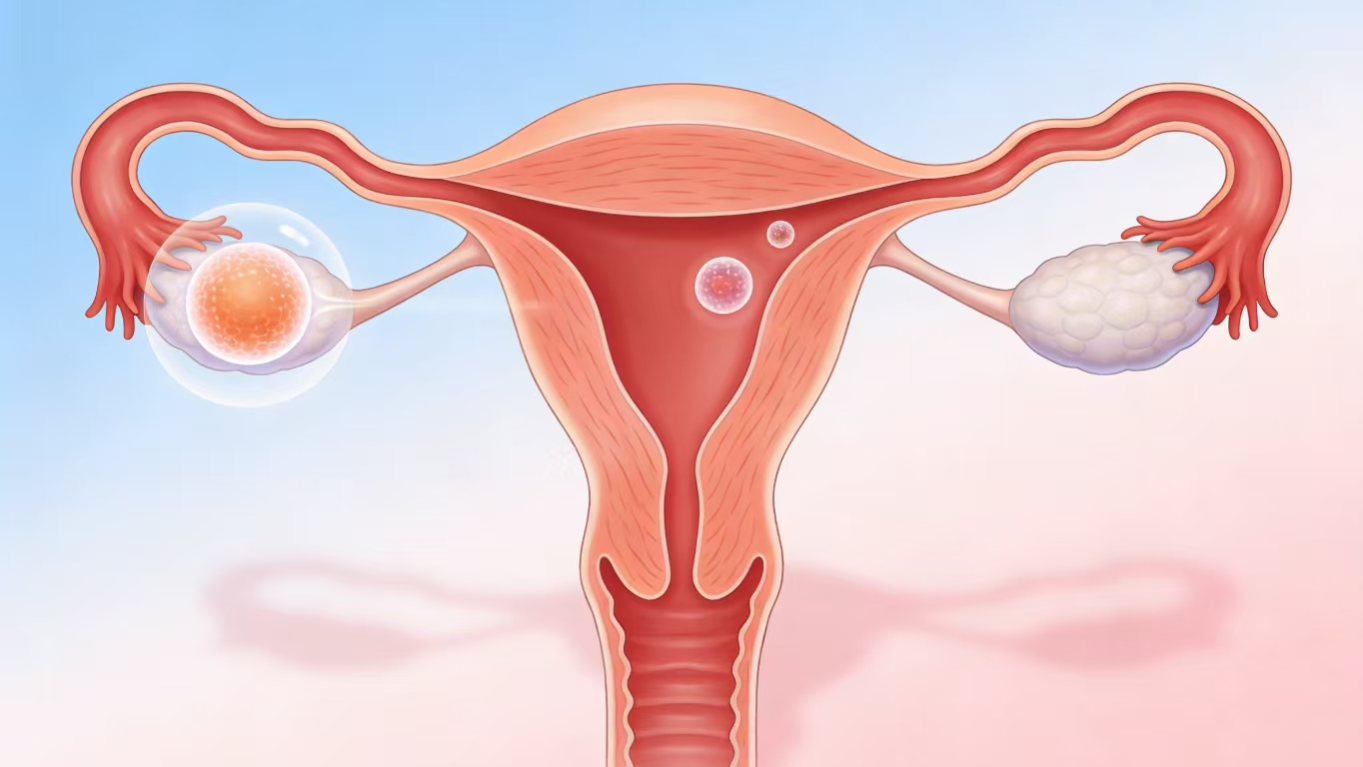
Some women trying to conceive may have experienced the following situation: after their menstrual period is delayed for several days, a home pregnancy test shows a faint positive result, or a blood test reveals a slight increase in human chorionic gonadotropin (HCG) levels. However, shortly afterward, menstruation begins and the previously positive pregnancy indicators return to negative. In medicine, this phenomenon is known as chemical pregnancy.
Chemical pregnancy, also known as a chemical pregnancy or very early miscarriage, refers to a pregnancy loss that occurs after fertilization when the fertilized egg fails to successfully implant in the uterine lining and continue developing, ultimately ending with menstrual bleeding. From a medical perspective, chemical pregnancy means that pregnancy can be confirmed through biochemical testing of blood or urine, but it does not progress to the stage of clinical pregnancy (when a gestational sac can be detected by ultrasound). Its occurrence is closely related to overall reproductive health.
Why Does Chemical Pregnancy Occur?
Occasional chemical pregnancy is essentially a natural selection process and is not necessarily a negative event. According to research published in The New England Journal of Medicine, approximately 50%–60% of early pregnancy losses (including biochemical pregnancies) are caused by chromosomal abnormalities in the embryo. In such cases, attempting to maintain the pregnancy is generally ineffective and may increase the risk of adverse pregnancy outcomes.
When chemical pregnancy occurs repeatedly (≥2 times), a comprehensive reproductive health evaluation is necessary.
The main causes may include:
- Maternal endocrine disorders:Luteal phase insufficiency may lead to inadequate progesterone secretion and reduced endometrial receptivity. Conditions such as hypothyroidism and hyperprolactinemia can directly interfere with the implantation environment of the fertilized egg. Hypothyroidism, in particular, may increase the risk of pregnancy loss by 2–4 times.
- Uterine structural abnormalities: Conditions such as uterine developmental abnormalities, submucosal fibroids, and intrauterine adhesions can physically interfere with embryo implantation. According to data from the Royal College of Obstetricians and Gynaecologists, these factors account for about 15% of recurrent chemical pregnancy
- Immunological factors:Insufficient maternal immune tolerance may cause the embryo to be mistakenly recognized as a “foreign body” and subsequently rejected. The presence of antiphospholipid antibodies (aPL)—including anticardiolipin antibodies (aCL) and lupus anticoagulant (LA)—is an important immunological cause of recurrent chemical pregnancy. Therefore, antiphospholipid antibody (aPL) testing is considered one of the essential screening tests for women experiencing recurrent biochemical pregnancy.
- Sperm quality: Chromosomal abnormalities in sperm or high sperm DNA fragmentation rates may reduce the developmental potential of the embryo. According to the World Health Organization, abnormal sperm quality accounts for about 30% of the causes of recurrent pregnancy loss.
How to Reduce the Risk by Optimizing Reproductive Health
Biochemical pregnancies caused by chromosomal abnormalities cannot be completely prevented. However, through scientific health management, reproductive health can be significantly improved, creating a more favorable implantation environment for embryos and reducing the risk.
1. Comprehensive Preconception Evaluation
Both partners should undergo screening 3–6 months before attempting conception. Key tests include: female reproductive hormone panels, thyroid function tests (TSH should be controlled below 2.5 mIU/L), and uterine ultrasound; for men, semen analysis and sperm morphology testing are recommended. For couples with recurrent pregnancy loss, additional testing such as karyotype analysis for both partners and immune antibody screening may be necessary.
2. Scientific Lifestyle Interventions
- Balanced nutrition: Supplement with 400–800 μg of folic acid daily, increase intake of high-quality protein and Omega-3 fatty acids, reduce high-sugar and processed foods, and maintain a BMI between 18.5 and 23.9.
- Regular sleep schedule: Avoid staying up late, as chronic sleep deprivation can disrupt endocrine function and reduce reproductive cell quality.
- Avoid harmful exposures:Stay away from X-rays, formaldehyde, and other environmental hazards. During preconception, avoid hair dyeing and nail treatments, and quit smoking while limiting alcohol consumption (smoking can increase the risk of pregnancy loss by about 30%).
3. Emotional Management and Moderate Exercise
Chronic anxiety can increase cortisol levels, which may suppress ovulation and embryo implantation. Engaging in moderate-intensity exercise 3–5 times per week for about 30 minutes each session can help improve pelvic blood circulation and enhance reproductive health.
4. Targeted Medical Interventions
For individuals experiencing recurrent chemical pregnancy, consultation with a reproductive specialist is recommended. Interventions are determined based on screening results: progesterone supplementation for luteal phase insufficiency, treatment with low-molecular-weight heparin combined with aspirin for immune abnormalities, and hysteroscopic surgery to correct uterine structural abnormalities.
Conclusion
An occasional chemical pregnancy does not mean that a successful pregnancy is impossible. Instead, it may be a signal from the body to pay closer attention to reproductive health. By following internationally recognized medical guidelines, preparing scientifically for pregnancy, maintaining a healthy lifestyle, and seeking necessary medical interventions, couples can build a stronger foundation for future pregnancies. If abnormal menstruation or unusual bleeding accompanied by abdominal pain occurs, medical attention should be sought promptly.
Find out more about female fertility from ENERBABY.