

As women increasingly delay childbearing, fertility challenges among those trying to conceive at advanced maternal age (typically defined as 35 years and older) have become a growing concern within the international medical community.
Research published by the U.S. National Center for Biotechnology Information (NCBI) indicates that the natural conception rate among women aged 35–39 is approximately half that of women aged 19–26. Among the many contributing factors, oxidative stress is recognized as one of the key mechanisms affecting oocyte quality and ovarian function in older women. As a result, scientifically supported antioxidant strategies have become an important approach to improving reproductive outcomes.
Oxidative Stress: A Key Physiological Barrier in Advanced Maternal Age
As women age, ovarian function naturally declines, with both the number of follicles decreasing and oocyte quality deteriorating. This process is closely associated with increased oxidative stress levels in the body.
During follicular development, reactive oxygen species (ROS) are naturally produced. Under normal conditions, the body’s antioxidant system maintains balance. However, in women of advanced maternal age, antioxidant defenses may weaken, making it difficult to eliminate excessive free radicals in time.
A prospective study referenced by the American Society for Reproductive Medicine (ASRM) found that women over 35 show significantly higher levels of malondialdehyde (MDA)—a marker of oxidative damage—in follicular fluid, along with reduced antioxidant enzyme activity. MDA levels were positively correlated with age and follicle-stimulating hormone (FSH), while antioxidant parameters were positively correlated with anti-Müllerian hormone (AMH) levels and pregnancy outcomes.
MDA is the final product of lipid peroxidation, and elevated levels can directly damage oocytes by impairing mitochondrial function and compromising chromosomal integrity. This may lead to reduced egg quality and lower fertilization rates. Additionally, oxidative stress can damage ovarian granulosa cells, disrupt estrogen secretion, and accelerate the decline of ovarian reserve.
Why Antioxidant Support Matters for Women Trying to Conceive After 35
Antioxidant support plays a critical role in fertility at three key levels:
1. Protecting Egg Quality and Improving Fertilization Potential
A strong antioxidant system helps eliminate excess free radicals within the follicular microenvironment, reducing damage to oocyte DNA and mitochondria and maintaining normal egg structure and function.
International reviews and meta-analyses have shown that Coenzyme Q10 supplementation may improve clinical pregnancy rates, the number of retrieved oocytes, and the proportion of high-quality embryos in women undergoing IVF.
2. Supporting Ovarian Function and Slowing the Decline of Ovarian Reserve
Antioxidants may help protect ovarian granulosa cells, maintaining hormone secretion and providing nutritional support to developing follicles.
NCBI-published research indicates that nicotinamide mononucleotide (NMN) may improve mitochondrial function in oocytes and reduce oxidative stress, making it particularly relevant for women experiencing age-related declines in ovarian reserve.
3. Reducing the Risk of Pregnancy Complications
Antioxidant Strategies for Women Trying to Conceive at Advanced Maternal Age
1. Nutritional Support Through Diet
A diet rich in natural antioxidants can help support reproductive health. Recommended foods include:
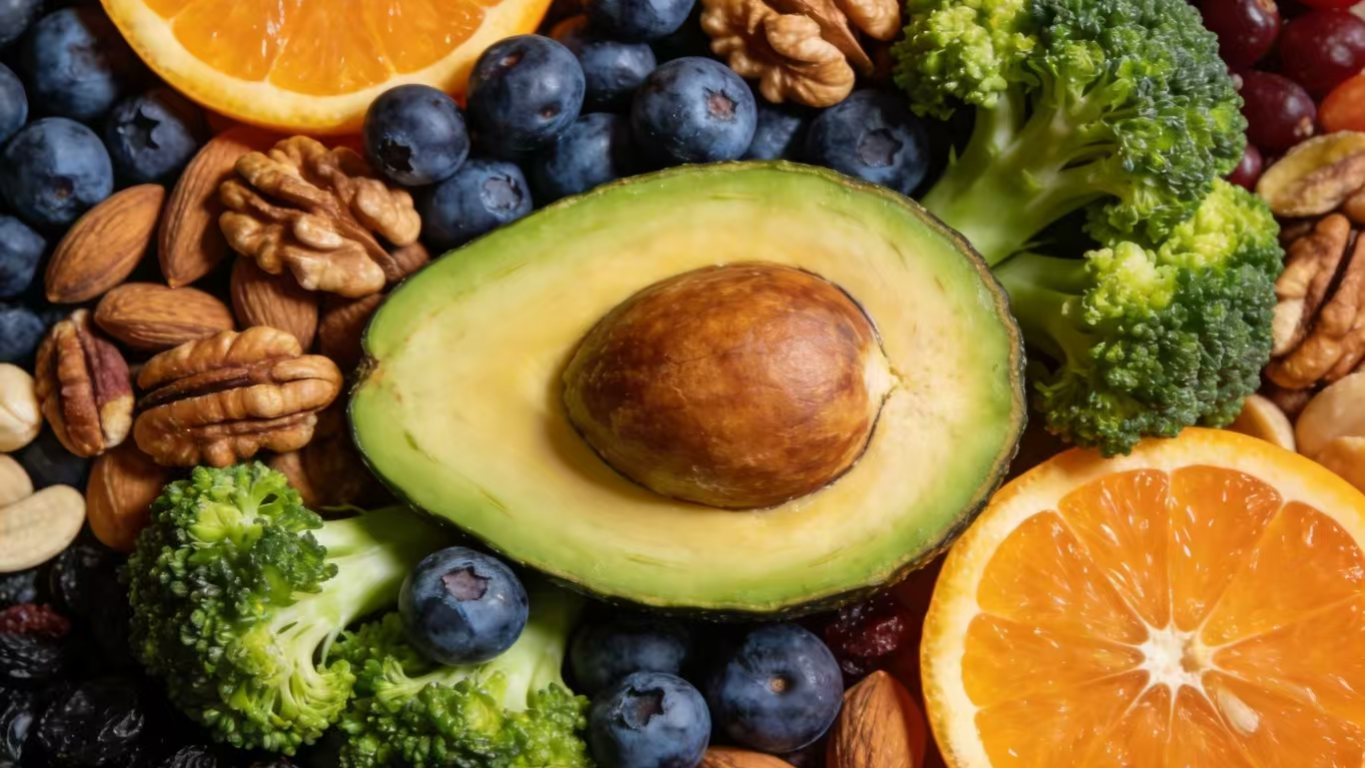
- Deep-sea fish rich in Omega-3 fatty acids
- Nuts providing vitamin E
- Berries and dark-colored vegetables, which contain vitamin C, anthocyanins, and other antioxidants
A 2025 study published in Biomolecules suggested that mitochondrial antioxidants such as Coenzyme Q10, vitamin E, and alpha-lipoic acid may produce synergistic effects when used together.
2. Targeted Antioxidant Supplementation
Diet alone may not fully meet the antioxidant needs of women at advanced maternal age. The American Society for Reproductive Medicine (ASRM) emphasizes that supplements lacking evidence-based validation may carry health risks, so supplementation should ideally be chosen under the guidance of a reproductive health professional.
Among the most studied options, Coenzyme Q10 combined with vitamin E and alpha-lipoic acid may enhance antioxidant effects and help protect reproductive cells.
3. Lifestyle Optimization
Reducing lifestyle factors that increase oxidative stress is also essential. Maintaining a healthy body composition may help optimize fertility in older women, as muscle-derived factors can influence follicle-stimulating hormone regulation.
Key recommendations include:
- Avoid smoking and excessive alcohol consumption
- Maintain a consistent sleep schedule
- Engage in regular moderate exercise
- Minimize chronic psychological stress
These measures can help reduce oxidative stress levels in the body.
Conclusion
The importance of antioxidant support for women trying to conceive at advanced maternal age is well supported by international research. Improving egg quality and supporting ovarian function through scientifically guided interventions can play a crucial role in achieving successful conception.
Women are encouraged to develop personalized fertility strategies under professional medical guidance, ensuring that supplementation and interventions are evidence-based and appropriate for their individual health conditions.