

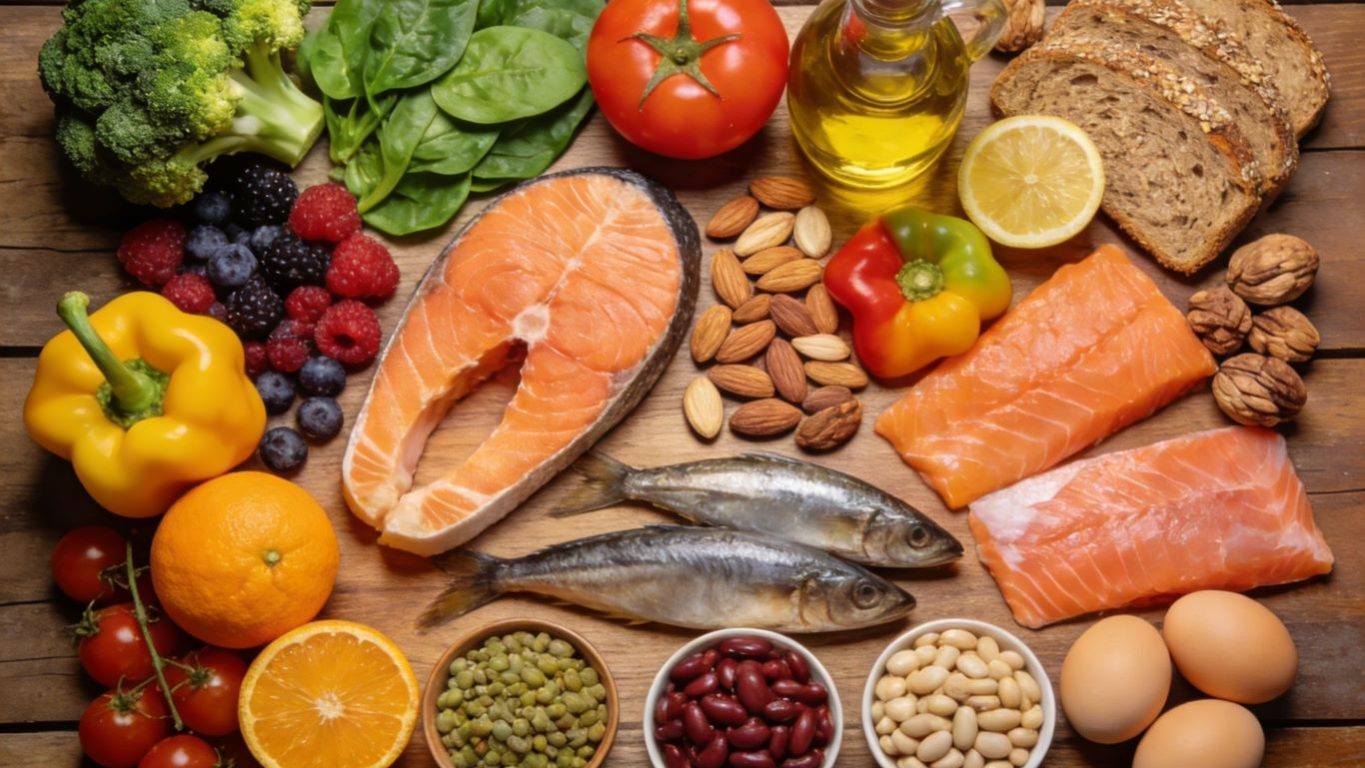
During the preconception phase, a scientifically tailored diet involves more than just making adjustments to what you eat — it constitutes a systematic nutritional strategy. By incorporating beneficial nutrients strategically, it optimises the environment for germ cell development and endocrine function, thereby increasing the likelihood of natural conception. A scientifically designed preconception diet provides the essential building blocks for hormone synthesis, reduces oxidative stress, improves endometrial receptivity and regulates blood sugar and insulin levels. These actions create favourable conditions for embryo implantation and healthy development.
Why Is Preconception Diet Necessary?
Sperm maturation takes about 74 days, while egg development takes approximately 85–90 days. This means that today’s dietary choices will directly affect reproductive cell quality three months later.
Research shows that reasonable nutrient intake can:
- Provide cholesterol and amino acids required for sex hormone synthesis
- Clear free radicals through antioxidants, protecting the integrity of sperm and egg DNA
- Improve pelvic blood circulation, ensuring ovaries and uterus receive sufficient oxygen and nutrients
- Maintain appropriate endometrial thickness, creating an ideal environment for embryo implantation
Mediterranean Diet: The Golden Model for Preconception Diet
Among various dietary patterns, the Mediterranean diet stands out as the top choice for preconception diet due to its strong scientific research support. This plant-based, healthy-fat-centered eating pattern has been confirmed by multiple studies to be associated with higher fertility potential and better success rates in assisted reproduction.
Core features of the Mediterranean diet:
- High-quality fats: Primarily extra virgin olive oil, rich in monounsaturated fatty acids, reducing chronic inflammation
- Plant-based foods: Abundant vegetables, fruits, legumes, and whole grains, providing antioxidants and dietary fiber
- High-quality protein: Prioritizing fish and poultry, moderate dairy, limiting red meat and processed meat
- Naturally low sugar: Reducing added sugars, refined carbohydrates, and trans fats
Key Nutrients and Food Choices
To implement a scientific preconception diet, focus on the following nutrients strongly linked to reproductive health:
1. High-quality protein
Foundation for cell division and hormone synthesis. Sources: fish, eggs, legumes, lean meat.
2. Healthy fats (Omega-3 / monounsaturated fats)
Maintain hormone balance, improve egg quality and endometrial receptivity. Sources: salmon, sardines, walnuts, almonds, extra virgin olive oil.
3. Antioxidant nutrients
Protect reproductive cells from oxidative damage, reducing the risk of embryonic chromosomal abnormalities. Sources: dark-colored vegetables, berries, nuts, tomatoes, grape seed polyphenols.
4. Essential trace elements for preconception
- Folic acid:dark leafy greens, legumes (preconception essential, reduces neural tube defects)
- Vitamin D: deep-sea fish, egg yolks, fortified foods (directly related to conception rates)
- Zinc: oysters, pumpkin seeds, lean meat (essential for sperm maturation and egg development)
- Iron:lean meat, legumes (improves uterine blood oxygen supply)
Preconception Diet Practical Principles
- Dietary diversity: ≥15 types of natural foods per week to ensure comprehensive nutrition
- Low glycemic index (low GI): Replace refined carbohydrates with whole grains to stabilize insulin
- Food safety:Thoroughly wash and fully cook to avoid risks from raw foods
- Limit adverse factors: trans fats, alcohol, excessive caffeine (≤200mg/day)
Preconception Diet Plans for Specific Groups
1. Polycystic Ovary Syndrome (PCOS) Group
Core issues: insulin resistance, high androgens, ovulatory dysfunction, chronic inflammation
Dietary goals: improve insulin sensitivity, lower androgens, restore regular ovulation
Enhanced Mediterranean diet plan:
- Increase proportions of dietary fiber and healthy fats
- Strictly low-GI carbohydrates to avoid blood sugar fluctuations
- Boost intake of olive oil, nuts, and deep-sea fish
2. Advanced Maternal Age Preconception (35+ years)
Core Issues: Egg Aging, Increased Oxidative Stress, Declining Mitochondrial Function
Dietary Goals: Antioxidant Protection, Enhanced Mitochondrial Function, Preservation of Ovarian Reserve, Delaying Egg Aging
Enhanced Mediterranean diet plan:
- Double antioxidant intake: Increase consumption of berries, nuts, vitamin E, and polyphenol-rich foods
- Ensure adequate supplementation of Omega-3, Coenzyme Q10, and Vitamin D
- Strictly control sugar intake and reduce inflammation by minimizing consumption of high-sugar and highly processed foods
3. Male Preconception
Core issues: low sperm motility, insufficient concentration, high DNA fragmentation
Dietary Goals: Enhance sperm motility and concentration, reduce sperm DNA fragmentation rate, improve testosterone levels.
Enhanced Mediterranean diet plan:
- Follow the classic Mediterranean dietary structure while increasing intake of high-quality protein and healthy fats
- Increase consumption of antioxidant-rich foods while reducing intake of spicy, high-oil, and high-sugar foods
- Incorporate foods rich in zinc, selenium, and vitamins to support sperm production
Conclusion
The effects of preconception diet are built on at least 90 consecutive days of intervention, covering the complete sperm and egg development cycle. Diet serves as a foundational supportive measure and cannot replace professional medical evaluation or necessary interventions. For conditions such as endocrine abnormalities, tubal issues, or severe sperm abnormalities, a comprehensive plan should be developed under a doctor’s guidance.
By implementing a scientific preconception diet to increase natural pregnancy chances, you not only optimize fertility conditions but also establish healthy eating habits for the whole family. Starting today, let every meal become a solid step toward successful conception.
Find out more about female fertility from ENERBABY.